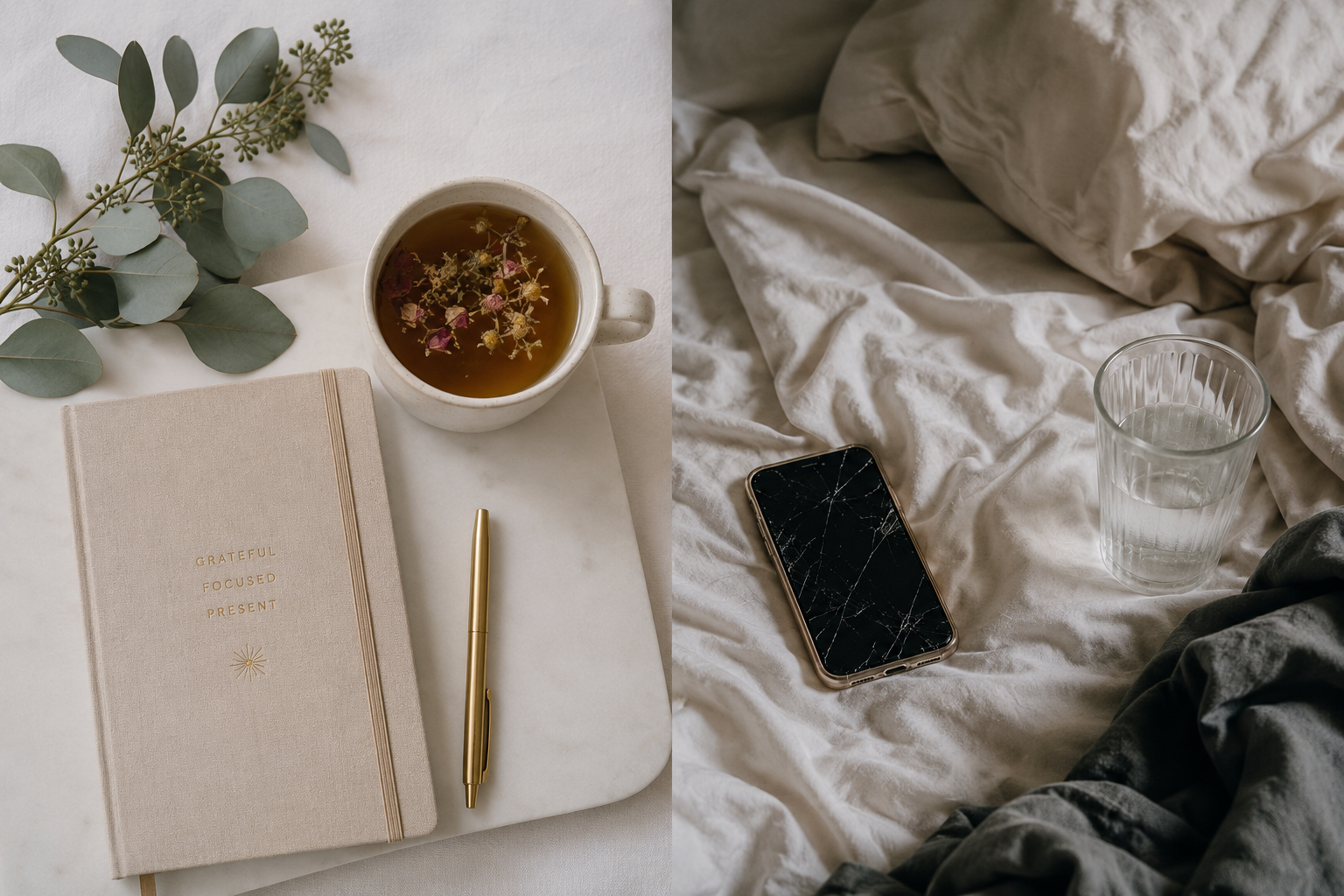
Toxic Aesthetic Wellness Culture vs. The Messy Reality of Real Mental Health
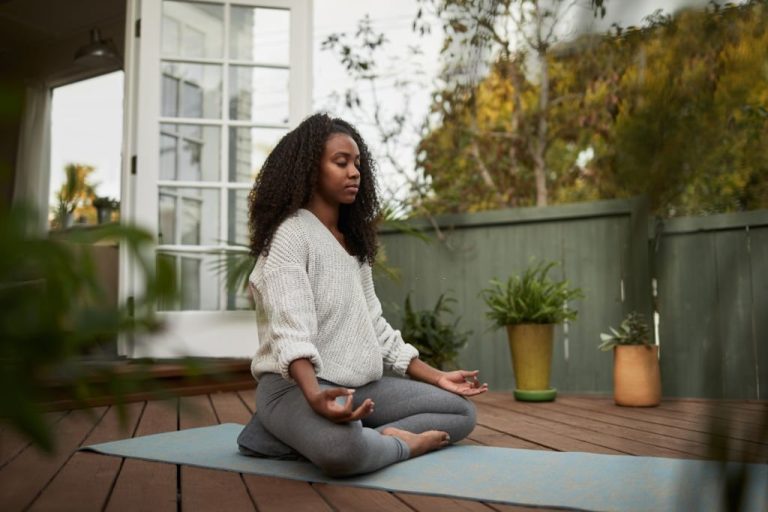
Somewhere between the matcha lattes, the linen sets, and the journaling reels scored to lo-fi music, aesthetic wellness culture quietly set a new standard for what healing is supposed to look like. It is warm-toned, unhurried, and visually coherent. More importantly, it is always, effortlessly, under control. For millions of young people managing real anxiety, depression, or emotional dysregulation, this curated vision of wellbeing does not just feel unattainable , it rather feels like yet another thing to fail at.
This is the tension at the heart of the soft life ideal: a movement that began as a genuine rejection of grind culture has gradually become its own form of pressure, dressed in softer colours.
What Aesthetic Wellness Culture Actually Sells
Aesthetic wellness culture, at its core, is the visual language of self-care. It packages mental health into content candles, cold plunges, morning routines, affirmation cards, and supplements with clean branding. Brands, influencers, and even therapists now operate within this visual grammar, producing content that is as much about the look of healing as the substance of it.
This is not entirely cynical. Many people genuinely find comfort in ritual, beauty, and intentional living. Creating a peaceful environment can support a calmer mind. None of these tools are useless in themselves.
The problem appears when the aesthetic becomes the measure. When the image of wellness replaces the actual work of it. When you start to wonder, quietly and with some shame, why your healing does not look like theirs.
The Soft Life Was Supposed to Be Liberation
The soft life movement emerged partly from Black women’s communities online, rooted in a deliberate and political refusal of the idea that Black women must endure hardship silently and without complaint. It was about choosing ease, pleasure, and rest not as indulgence, but as resistance. That origin matters.
As the concept spread into mainstream wellness culture, however, something shifted. What began as a collective exhale became an individual performance. The soft life stopped being about structural ease and started looking like expensive candles and aesthetic calm that anyone could theoretically buy their way into. The politics quietly dropped out. The mood board stayed.
When Real Mental Health Gets in the Way
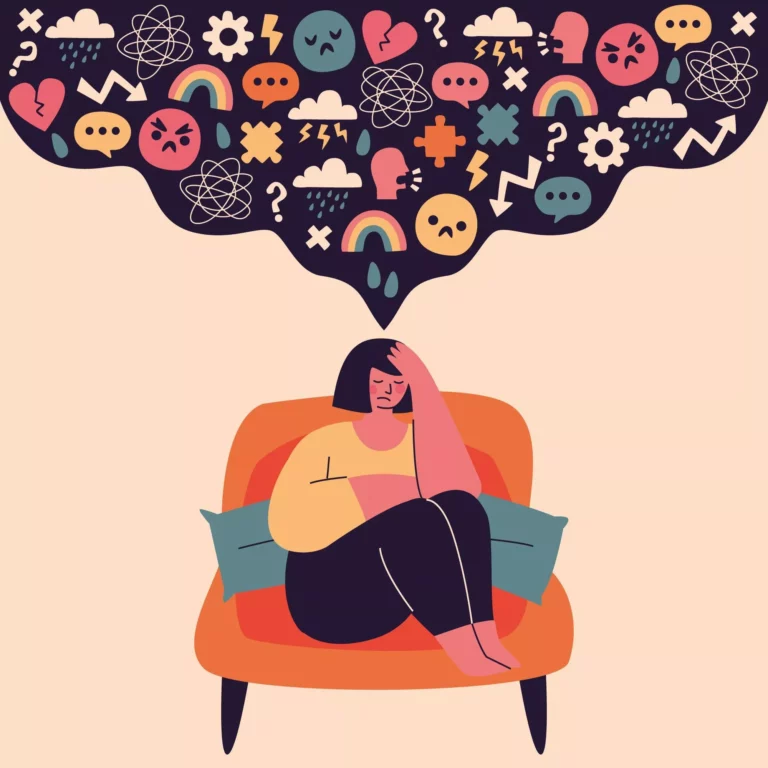
Real mental health does not follow an aesthetic. Depression leaves dishes in the sink for four days. Anxiety does not disappear after a magnesium supplement and a gratitude list. Trauma responses are not photogenic. And yet, aesthetic wellness culture persistently frames these realities as problems of insufficient effort, you simply have not found the right routine, the right journal, the right morning practice.
This framing places the burden of healing entirely on the individual, and specifically on the individual’s ability to perform healing visibly. Young people already navigating the ordinary difficulties of poor mental health now carry an additional weight: the sense that they are doing their suffering wrong.
Therapists and mental health practitioners increasingly note this pattern. Clients arrive describing not just their symptoms, but their guilt about those symptoms, there is guilt that their bedroom is not tidy, that they cannot maintain a routine, that they do not feel better despite trying. Aesthetic wellness culture has, for many, added a layer of shame onto an experience that already carries far too much of it.
The Algorithm Knows Exactly What It Is Doing
The rise of aesthetic wellness culture is not accidental. Platforms reward content that is visually compelling, emotionally soothing, and highly shareable. A video of someone crying through a panic attack will reach far fewer people than a video of someone making a beautiful smoothie bowl and calling it self-care. The algorithm does not care about nuance. It surfaces what performs.
This creates a systematic distortion of what mental health looks like in public life. The versions of healing that receive the most visibility are the ones that are easiest to watch and those versions tend to be the ones that look the most like a brand campaign. Meanwhile, the harder, uglier, less coherent work of actual recovery stays largely invisible, which means many young people never see it modelled at all.
Performative Wellness and the Exhaustion Beneath It
There is a particular kind of exhaustion that comes from engaging with performative wellness when you are genuinely struggling. It is the exhaustion of consuming content that seems to promise relief and delivering none. It is the strange grief of buying the journal, using it twice, and feeling worse for the failure. It is the experience of following seventeen accounts about healing and feeling, somehow, further from it.
Performative wellness asks you to curate your recovery for an audience, even if that audience is only yourself. It encourages you to measure progress in aesthetics rather than in the quiet, unfilmable moments when something difficult actually shifts. Genuine mental health progress rarely makes good content. It tends to look like a hard conversation, a boundary held under pressure, a medication that took three months to feel right, or a Tuesday afternoon that was simply more bearable than the one before.
What Real Healing Actually Looks Like
Real mental health recovery, without the aesthetic filter, is inconsistent. It includes setbacks that do not resolve in a montage. It involves professional support, medication, and difficult conversations that no amount of herbal tea replaces. It looks like calling someone when you do not want to, or doing the opposite of what every anxious impulse tells you to do. It is often private, rarely photogenic, and almost never linear.
Crucially, it also includes rest, pleasure, and softness but on their own terms, not as performance. The soft life, returned to its original intention, is not about the look of ease. It is about the actual experience of it. These two things are not the same, and the gap between them is exactly where aesthetic wellness culture loses people.
Reclaiming the Mess
There is something quietly radical about refusing to make your mental health look better than it is. Opting out of the aesthetic does not mean abandoning care, it simply means demanding that care be real. It means finding value in the parts of your healing that are invisible, unglamorous, and ongoing. It means extending the same compassion to your messy, struggling self that the wellness aesthetic only ever offers its most polished version.
Young people deserve more than a mood board. They deserve honest representations of what difficulty looks like, what real support feels like, and what recovery actually requires. Aesthetic wellness culture will continue to exist, and parts of it will continue to offer genuine comfort. But it should be one small tool among many and not the standard against which real human suffering is quietly, constantly found lacking.
Your healing does not need a colour palette. It just needs to be real.

Temitayo Olawunmi
Temitayo Olawunmi is a clinical psychologist in service to Arogi Trauma Care Foundation. She is solution-focused and result-driven. She has a strong passion for delivering exceptional customer service and ensuring clients satisfaction at every touchpoint.