Living with Shadows: A Story of PTSD in 3 Lives – Part 3

A Story of PTSD from Part 2
None of them fit the image of quick recovery. Their symptoms affected everything – social life, ability to work, parenting, the simple pleasure of a walk in the sun. The children’s signs, reenacting, bedwetting, clinginess, reminded everyone that trauma shapes young minds differently but just as deeply. The physical complaints, headaches, stomach pain, sweating, fast heartbeat, showed that trauma does not live only in thought; it lives in the body.
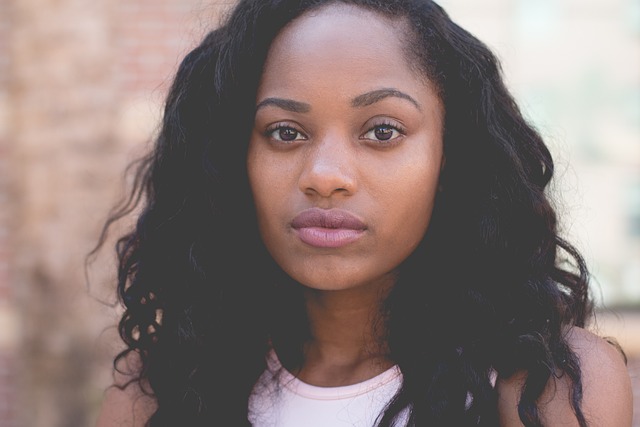
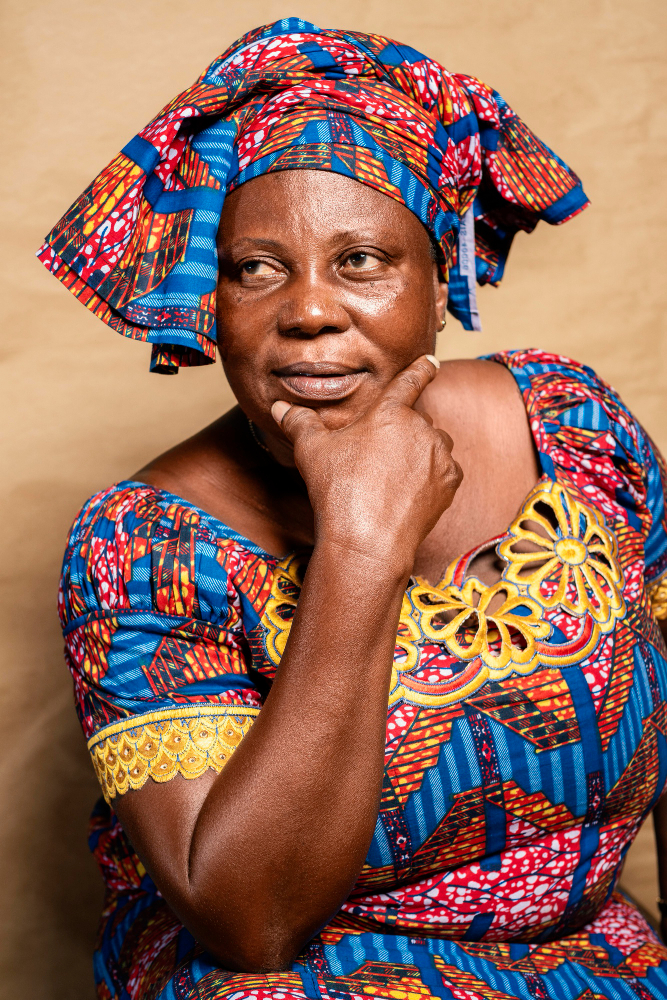
One afternoon the three of them sat in a small community room because a social worker had convinced them to come. They mumbled at first, eyes down, but when the worker explained that these reactions were ordinary responses to extraordinary events, Amina relaxed enough to say, “If I close my eyes, I still see him.” Musa admitted he covered up at work because he feared being called weak. Joy whispered that she was scared of the dark and sometimes thought the bad men would come through the window. The room felt small and large at once. Small because it offered concrete attention, large because their stories were not isolated – they connected.
Therapy began as step-by-step relearning. Grounding techniques when flashbacks hit, sleep routines to reclaim rest, gradual exposure to places that once triggered panic, and chance to tell the story in safe, measured ways so avoidance lost some of its power. They learned to notice automatic thoughts, “No one can be trusted”, and to test them against reality.
Amina started pottery again, this time bringing a friend. Musa joined a father-and-child workshop and felt Joy’s small hand in his. The changes arrived slowly and unevenly. Some nights the nightmares returned, and some mornings the hypervigilance sharpened. But they also met small wins. A night without waking, a day when a siren passed and Amina hardly noticed, Joy sleeping alone for a whole week.
Their lives showed several hard truths. Trauma could seed itself into memories, dreams, body sensations, and behavior, and it could last beyond a month and into every important part of life. Children expressed problems differently, sometimes through play or bedwetting. Reactions could include headaches, stomach issues, chronic pain, and a racing heart.
Prolonged or repeated trauma could produce complex patterns, deep shame, volatile emotions, difficulties with relationships, that required longer, sensitive care. And while the path to recovery required effort, support, and patience, it also held possibility. With the right help, the intrusive images could lose power, avoidance could loosen, and small joys could return.
This story does not end in sudden cure. It ends with them sitting in the small room, hands folded, breathing in and out, agreeing to try the next step. It ends with a neighbor bringing over a pot of soup and leaving it on the stoop because she understands sometimes people need help that shows up in small, steady ways.
It ends with a reminder – PTSD changes the day-to-day life of people and families, but it also invites the possibility that with attention, care, and patience, the shadows will not always govern the hours.
Send Email – info@arogifoundation.org
Read Part 1: Living with Shadows: A Story of PTSD in 3 Lives

Adedeji Odusanya
Odusanya Adedeji A., is a Licensed & Certified Clinical Psychologist whose domain of expertise cuts across management of specific mental health issues such as, Depression, PTSD, Anxiety & Anxiety related disorders, Substance Use Disorder, etc