
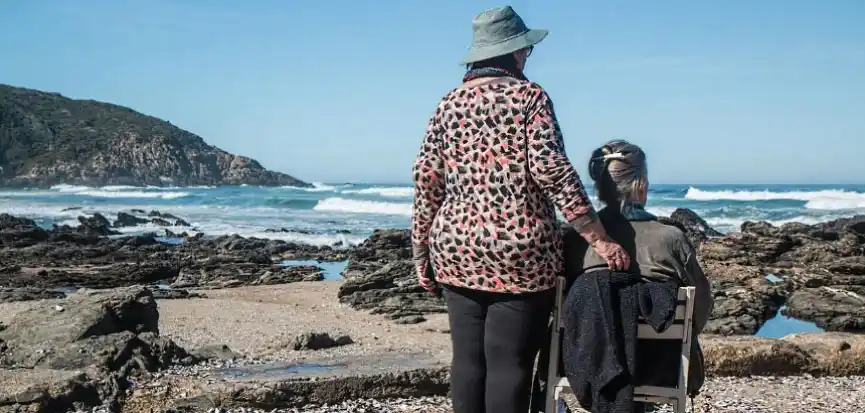
Caring for Our Elders: Whose Responsibility Is It?
Introduction
Caring for Our Elders sits at the crossroads of duty, dignity, and public policy. Families shoulder many daily acts of love such as preparing meals, keeping appointments, and listening. At the same time, governments must fund systems that protect health, and communities must create networks that include neighbors, faith groups, and workplaces. In this article, we analyze who should take responsibility and how we can reshape expectations so elderly people live with respect and practical support.
Whose Responsibility Is Caring for Our Elders
First, families takes the center stage when it comes to caring for our elders provide immediate, personal care. Children and close relatives know histories, preferences, and health needs. They act quickly when problems arise and provide emotional continuity. However, families face limits: work demands, geographic distance, and financial strain often reduce their capacity. Therefore, relying solely on kin risks exhaustion and inconsistent care.
Second, state institutions carry broad responsibility for safety and access. Governments set laws about pensions, health insurance, and elder protection. When the state invests in long-term care infrastructure and home-based services, it reduces pressure on families. Moreover, public policies shape workforce training, quality standards, and oversight. Yet, budget constraints and political priorities sometimes leave elders underserved. Consequently, advocacy and smart public spending must push elder care higher on policy agendas.
Third, the private sector and non-profits bridge gaps. Clinics, home-care agencies, and charities offer services that families and governments cannot fully provide. For instance, community centers supply social programs that prevent isolation. Businesses can offer flexible schedules and caregiver leave so workers balance jobs and family obligations. These contributions matter, but oversight and affordability remain concerns.
Fourth, community and culture define the practical reality of care. Neighbors, faith groups, and volunteers offer companionship, rides, and informal checks. Community involvement brings low-cost resilience and restores daily life rhythms for older adults. In addition, cultural values determine whether families feel obligated to provide direct care. Societies that honor elders can combine family devotion with public supports; those that do not risk neglect.
So who ultimately holds responsibility? The answer offers nuance: responsibility distributes across all levels. Families must provide love and intimate support; governments must guarantee basic protections and services; the private sector should supply affordable care options; and communities must weave social safety nets. No single actor can fill every gap reliably. Rather than ask who alone should shoulder the burden, we should ask how each actor can play its role well.
To build a fair system, start with policy reforms. First, governments must strengthen caregiving infrastructure: fund home-care, subsidize long-term care, and ensure pension adequacy. Second, employers should adopt caregiver-friendly policies, such as paid leave and flexible hours. Third, communities must support volunteer programs that connect neighbors with elders. Fourth, families should plan financially and legally early, so they avoid crisis-driven choices.
Practical steps matter. Encourage early conversations about preferences and legal directives. Create checklists for medication, finances, and emergency contacts. Train family members in basic caregiving skills. Use technology—telehealth and monitoring tools—to extend care without invading dignity. Above all, normalize shared responsibility so families feel supported rather than blamed.
Finally, moral clarity guides action. Responsibility for elder care does not mean one group pays all the cost or gives all the time. It means we commit to a shared standard: dignity in later life. When governments fund essential services, employers allow time for care, communities offer help, and families contribute love and presence, elders thrive.
Consequences of Not Not Caring For Our Elders
Not caring for our elders creates harms that ripple from individuals to whole societies. Below are the key consequences, each highlights both the human and systemic costs:
Caring for Our Elders requires collective leadership. We must combine family devotion with public investment and community action. That combination produces sustainable, compassionate care. If we act now, we will ensure that every elder receives the respect and support they earned over a lifetime.

Adedeji Odusanya
Odusanya Adedeji A., is a Licensed & Certified Clinical Psychologist whose domain of expertise cuts across management of specific mental health issues such as, Depression, PTSD, Anxiety & Anxiety related disorders, Substance Use Disorder, etc