
Emotional Loneliness in Modern Life: The Painful, Invisible Feeling of Being Unseen
“Loneliness does not come from having no people around, but from being unable to communicate the things that seem important.” – Carl Jung
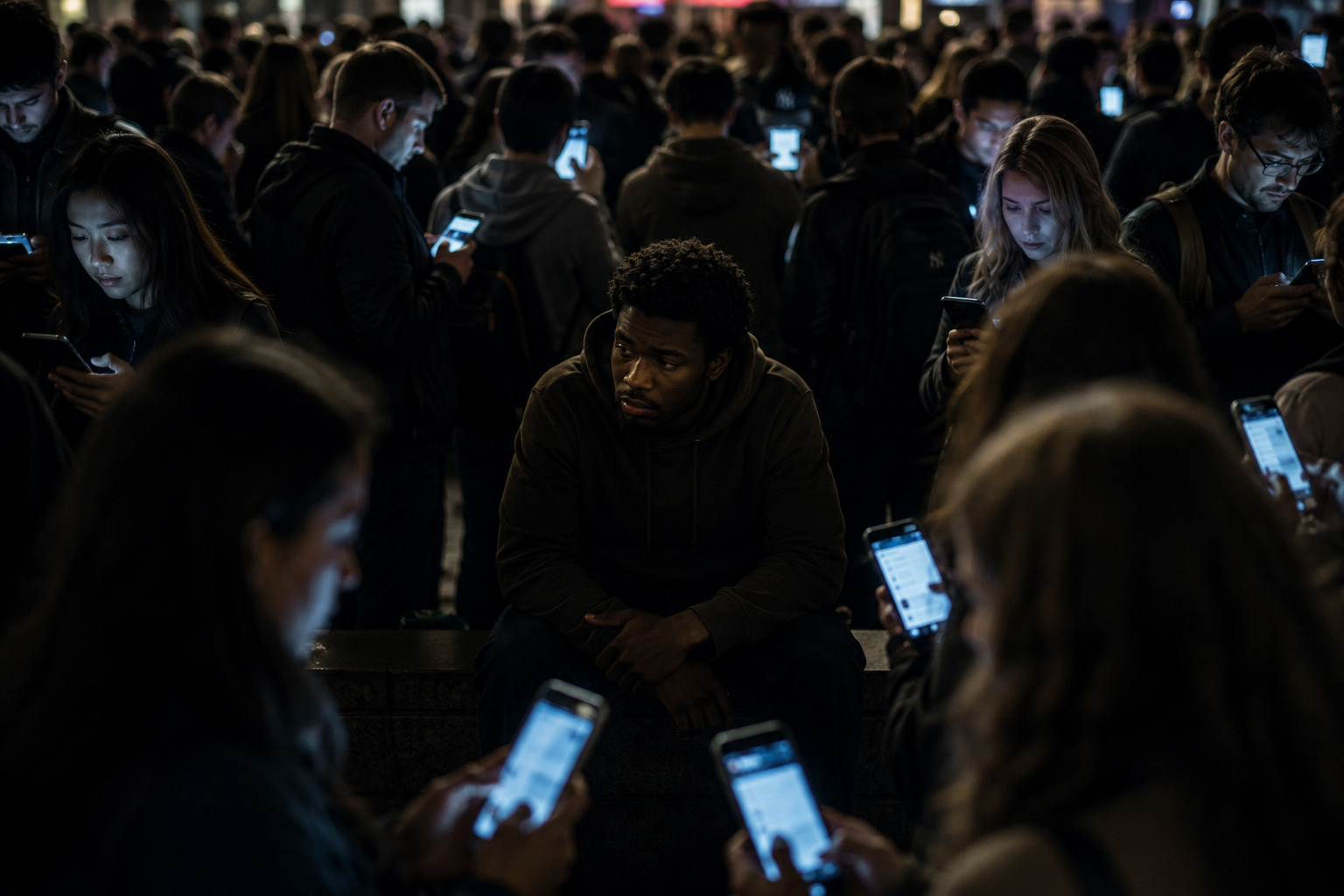
Emotional loneliness in modern life has become one of the quietest struggles of this generation. People remain constantly connected through messages, notifications, and social media updates. Conversations happen instantly. Attention feels endless. Yet despite this constant interaction, many individuals still feel deeply unseen.
This contradiction confuses many people. How can someone feel lonely while surrounded by communication? Why does emotional emptiness still exist in a world filled with connection?
The answer lies in the difference between access and emotional closeness. Being surrounded by people does not always create emotional connection. In many cases, modern interaction increases visibility while reducing depth.
Understanding Emotional Loneliness in Modern Life
Emotional loneliness in modern life often develops gradually. At first, everything appears normal. You respond to messages, scroll through updates, and interact daily. However, something still feels missing.
Many people experience relationships that remain surface-level. Conversations focus on productivity, entertainment, or routine updates, yet avoid emotional honesty. Over time, this creates emotional disconnection.
In addition, social isolation psychology reveals that human connection depends on emotional safety, not just physical presence. A person can sit in crowded spaces and still feel emotionally alone if they cannot express themselves authentically.
Moreover, loneliness despite connection has become increasingly common because digital communication prioritizes speed over depth. Quick reactions replace meaningful conversations. Visibility replaces vulnerability.
The Psychology Behind Feeling Unseen
Emotional loneliness in modern life connects deeply to emotional validation. People need more than interaction. They need understanding.
When individuals feel misunderstood, ignored, or emotionally dismissed, loneliness grows internally. Even supportive environments can feel emotionally distant when deeper feelings remain unspoken.
Furthermore, modern culture often rewards performance over authenticity. Many people carefully present polished versions of themselves online. While this creates approval, it can also create emotional isolation.
The gap between public image and private emotion becomes exhausting. Others may see your content, achievements, or appearance, yet still fail to truly see you.
Why Social Media Sometimes Intensifies Loneliness
Emotional loneliness in modern life often increases through comparison and overstimulation. Social media creates constant exposure to other people’s lives, relationships, and milestones.
As a result, people may begin measuring their emotional experiences against curated images of happiness. This comparison creates emotional distance from reality.
Additionally, digital interaction can reduce emotional depth. Many conversations remain brief and fragmented. Real emotional processing requires attention, presence, and vulnerability qualities that fast communication rarely encourages.
Another important factor involves emotional masking. People often hide sadness, fear, or exhaustion online. Because everyone appears “fine,” individuals struggling emotionally may feel even more isolated.
The Hidden Effects of Emotional Disconnection
Emotional loneliness in modern life affects mental well-being in subtle but powerful ways. Persistent emotional isolation can increase anxiety, emotional fatigue, and feelings of emptiness.
Over time, loneliness also weakens emotional resilience. Small disappointments feel heavier when people lack meaningful support. Motivation decreases. Emotional numbness may develop.
In addition, disconnected relationships create internal frustration. You may spend time with people while still feeling emotionally distant from them. This experience often creates confusion and guilt.
However, loneliness does not always mean you lack relationships. Sometimes it means you lack emotional depth within them.
Healing Emotional Loneliness in Modern Life
Emotional loneliness in modern life begins to heal through intentional connection. First, practice emotional honesty. Share thoughts and feelings beyond surface-level conversations. Authenticity creates emotional closeness.
Next, prioritize quality over quantity in relationships. A few emotionally safe connections matter more than endless social interaction.
In addition, reduce emotional comparison. Social media often presents edited realities, not complete emotional truths. Protecting your mental space helps reduce feelings of inadequacy.
Another important step involves active presence. Listen carefully during conversations. Genuine attention strengthens emotional bonds.
Most importantly, allow yourself to be seen. Many people fear vulnerability because rejection feels painful. Yet emotional walls often deepen loneliness.
Choosing Connection Beyond Visibility
Emotional loneliness in modern life reminds us that human connection requires more than communication. People do not simply need attention. They need understanding, emotional safety, and presence.
Being visible is not the same as being known.
In a world obsessed with constant connection, genuine emotional intimacy has become rare. However, it still matters deeply. Honest conversations still heal. Vulnerability still connects people. Presence still carries emotional power.
And perhaps the greatest reminder of all is this: feeling unseen does not mean you are invisible. It means your emotional world deserves deeper connection than modern life often offers.

Temitayo Olawunmi
Temitayo Olawunmi is a clinical psychologist in service to Arogi Trauma Care Foundation. She is solution-focused and result-driven. She has a strong passion for delivering exceptional customer service and ensuring clients satisfaction at every touchpoint.