
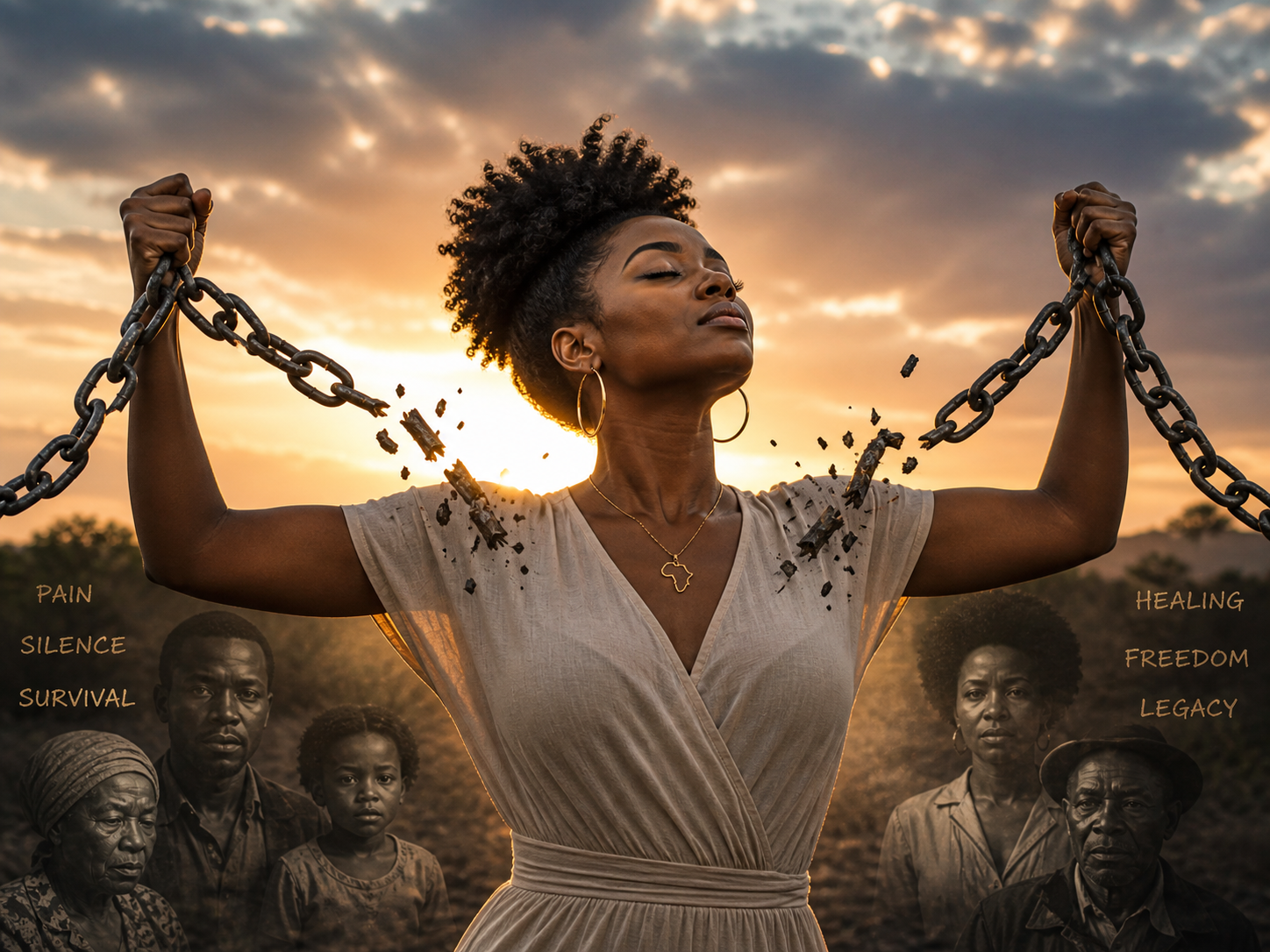
Emotional Inheritance Healing: The Hidden, Painful Patterns You Didn’t Choose
“Until you make the unconscious conscious, it will direct your life and you will call it fate.” – Carl Jung
Emotional inheritance healing begins with a quiet realization: not every pattern you carry truly belongs to you. Some behaviors, reactions, and fears did not start with you. Instead, they formed through family dynamics, early experiences, and unspoken emotional histories.
At first, these patterns feel natural. They shape how you respond to stress, relationships, and even success. However, over time, you may begin to question them. You may notice recurring cycles that limit your growth. That moment of awareness marks the beginning of emotional inheritance healing.
Understanding Emotional Inheritance Healing in Daily Life
Emotional inheritance healing involves recognizing how deeply family conditioning influences behavior. Children absorb more than words. They observe reactions, tone, silence, and coping mechanisms. These observations become internal templates.
For example, if emotional expression felt unsafe in your environment, you may learn to suppress feelings. If conflict appeared frequently, you may develop anxiety around
confrontation. These responses often continue into adulthood without conscious awareness.
Moreover, inherited emotional patterns do not always appear negative at first glance. Some may even seem protective. However, when they limit your ability to grow or connect, they require attention.
The Psychology Behind Inherited Emotional Patterns
Emotional inheritance healing connects strongly to the subconscious mind. Early experiences shape neural pathways. These pathways influence automatic responses.
In addition, repetition reinforces these patterns. When similar situations arise, your mind defaults to familiar reactions. This process happens quickly and often without conscious thought.
Furthermore, generational trauma plays a role. Emotional pain that remains unresolved can pass through behaviors, beliefs, and even communication styles. While you may not experience the original event, you may carry its emotional imprint.
This does not mean you are bound to these patterns. However, it does mean awareness is necessary for change.
Why Breaking Emotional Patterns Feels Difficult
Emotional inheritance healing often feels challenging because these patterns feel familiar. Familiarity creates comfort, even when it limits growth.
At times, you may also feel loyalty to your family system. Changing your behavior may feel like rejecting your background. This emotional conflict can slow progress.
Additionally, subconscious beliefs reinforce the cycle. You may believe that your reactions are simply “who you are.” This belief makes change seem unnecessary or even impossible.
However, identity and conditioning are not the same. Understanding this distinction opens the door to transformation.
Practical Steps Toward Emotional Inheritance Healing
Emotional inheritance healing requires intentional awareness. First, identify recurring patterns. Notice emotional triggers, repeated conflicts, or limiting beliefs. Patterns often reveal themselves through repetition.
Next, question the origin of these responses. Ask yourself where you first learned them. This reflection helps separate inherited behavior from personal choice.
Then, create space between trigger and reaction. Even a brief pause allows you to respond differently. Over time, this pause weakens automatic patterns.
In addition, replace limiting beliefs with conscious ones. If you learned to suppress emotions, practice expressing them safely. If you fear conflict, begin with honest but calm communication.
Another important step involves emotional processing. Unresolved feelings need attention. Journaling, reflection, or guided conversations can help release stored emotions.
Reclaiming Your Emotional Identity
Emotional inheritance healing does not require rejecting your past. Instead, it encourages understanding and choice. You can honor where you come from while choosing who you become.
As awareness grows, your responses begin to change. You feel less controlled by automatic reactions. Instead, you act with intention.
This shift builds emotional freedom. It allows you to form healthier relationships. It also strengthens your sense of self.
A Conscious Break from the Past
Emotional inheritance healing represents a powerful turning point. You move from unconscious repetition to conscious living. Although the process takes time, each step creates meaningful change.
You did not choose the patterns you inherited. However, you can choose how they continue.
And within that choice lies something deeply empowering the ability to transform not only your life, but the patterns that may have continued beyond you.

Temitayo Olawunmi
Temitayo Olawunmi is a clinical psychologist in service to Arogi Trauma Care Foundation. She is solution-focused and result-driven. She has a strong passion for delivering exceptional customer service and ensuring clients satisfaction at every touchpoint.