A Mother’s Mind Matters: A Gentle Talk on Pregnancy & Postpartum Well-being
If you’re reading this, you might be expecting a baby, you might have just welcomed one, or you might love someone who has. Wherever you are in that journey, I’m here to talk about something essential, yet often overlooked: the emotional well-being of mothers.
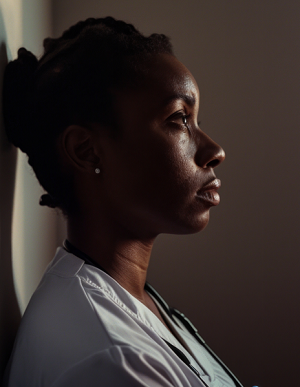
We celebrate the growing belly, we coo over the newborn, but we sometimes forget the person at the heart of it all. The truth is, while this can be a time of incredible joy, it can also be a time of profound emotional change. Feelings of anxiety, sadness, or overwhelm don’t mean you’re doing it wrong. They mean you’re human, navigating one of life’s biggest transitions.
Today, we’re not just talking about babies. We’re talking about you. Your mind, your heart, your well-being. Because to care for a new life, a mother needs care, too. Let’s begin by giving ourselves permission to talk about this honestly, and without any shame.
The Heart of the Matter
Segment 1: The Emotional Landscape of Pregnancy
Pregnancy is more than a physical change. It is an emotional journey. Hormones are like a tidal wave, and it’s completely normal to feel ecstatic one day and weepy the next. You might worry about the birth, about being a good parent, or feel disconnected from your own changing body. These feelings are common. They are signals, not failures. The key is to notice them, name them, and know you don’t have to carry them alone.
Segment 2: Understanding Common Challenges
Sometimes, these feelings go beyond typical ups and downs. It’s important to know the difference, so we can seek the right kind of support.
Baby Blues: This is very common. You might feel tearful, irritable, or overwhelmed in the first two weeks after birth. It’s usually temporary and eases with rest and support.
Postpartum Depression: This is more than the blues. It’s a deep, lingering sadness, anxiety, or emptiness that can make it hard to function or bond with your baby. It is not your fault. It is a medical condition, and it is treatable.
Postpartum Anxiety: This can involve intense worry, racing thoughts, or panic attacks that feel uncontrollable.
Postpartum Psychosis: This is rare but serious, involving confusion, hallucinations, or thoughts of harming yourself or your baby. It is a medical emergency requiring immediate help.
Knowing these terms isn’t about labeling yourself, it’s about empowering yourself to ask for what you need.
Segment 3: Life After Birth: The Real Picture
The image of a blissful mother and a sleeping baby is just one frame in a much longer film. The real picture includes sleepless nights, healing bodies, and a monumental identity shift. The pressure to be the “perfect mother” can be crushing. Let’s replace that pressure with a simple, healing truth: It is okay not to be okay. Asking for help is the bravest thing you can do.
Segment 4: Practical Steps for Well-being
Well-being is built on small, consistent acts of care. Here are ways to nurture your emotional health:
1. Talk Openly: Share your true feelings with your partner, a trusted friend, or your healthcare provider. Say, “I’m struggling today.”
2. Seek Professional Support: Talking to a therapist or counselor who specializes in maternal mental health is a powerful act of strength.
3. Build Your Village: Accept help with meals, chores, or holding the baby so you can rest. Join a new moms’ group, hearing “me too” is powerful medicine.
4. Practice Radical Self-Care: This isn’t about spa days. It’s about drinking enough water, eating when you’re hungry, and taking five minutes to breathe. It’s about lowering your own impossible standards.
5. Connect with Your Partner: Ask for what you need emotionally. A simple, “I just need you to listen,” can make all the difference.
Conclusion:
A Message of Compassionate Closure
As we finish our time together, I want to leave you with this thought: Your mental health is not a side note to motherhood, it is the foundation of it.
You are allowed to be both immensely grateful and utterly exhausted. You can love your baby deeply and still miss your old life. These dual truths can exist in the same heart. Healing begins when we make space for all of our feelings.
If you take away one thing today, let it be this: You matter just as much as your baby. Your well-being is critical. By caring for your own mind and heart, you are not taking away from your child, you are building a stronger, more resilient, and more present version of yourself for them.
If you are struggling, please see it not as a weakness, but as a sign that your system needs more support. Reach out. Tell your doctor, your midwife, your partner. You are not alone.

Abimbola Omotoso
Abimbola Omotoso is a clinical psychologist in service to Arogi Trauma Care Foundation. She is solution driven and result oriented. She has a strong passion to always make clients have the best customer service experience.