
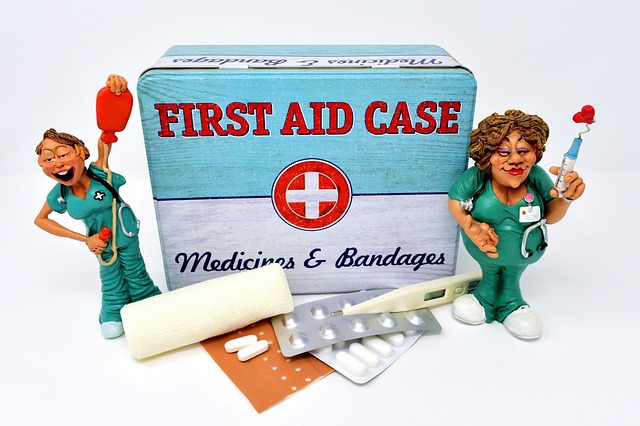
A Gentle Guide to Psychological First Aid
You Can Offer a Safe Harbor
In the moments after something painful or frightening happens, people often feel lost in an emotional storm. They may be shaking, confused, or feel unreal. What they need most is not a complex solution, but a safe harbor, a calm, steady presence.
Psychological First Aid (PFA) is a compassionate way to be that safe harbor for someone in distress. It is not therapy, and you do not need to be a professional to offer it. PFA is the human response of listening with your heart, offering comfort, and helping someone find their footing again. It is the simple, powerful act of reminding another person: You are not alone in this. I am here with you.
The Heart of Psychological First Aid
PFA is built on a few key goals, which are like steps you can take to offer support:
1. Create Safety: Help the person feel physically and emotionally secure. Your calm presence is the first step.
2. Offer Comfort: Provide gentle reassurance. A kind word, a blanket, a glass of water—small comforts can feel huge.
3. Calm the Storm: Help them manage overwhelming feelings. Sometimes, this just means sitting with them quietly until the wave of emotion passes.
4. Understand Needs: Ask simple questions to learn what they need most right now. Listen more than you speak.
5. Foster Connection: Help them connect with loved ones or their community. We heal best when we are not isolated.
6. Plant Hope: Help them see the next small step. Recovery often begins with one manageable action.
The Guiding Principle
Think of PFA as a simple, three-part practice: Look, Listen, Link.
LOOK -Before you approach, pause and observe.
- Look for dangers in the environment.
-Look for people who have urgent needs (like injuries).
-Look for those who seem overwhelmed, alone, or unable to care for themselves.
LISTEN – Connect with compassion.
-Approach gently and introduce yourself.
-Ask about their needs and concerns.
-Listen patiently. Let them share what they are ready to. Your quiet attention is a powerful gift.
LINK – Help them find the next step.
-Help with immediate practical needs (safety, water, warmth).
-Offer accurate, simple information about what’s happening or where to get help.
-Connect them to loved ones, community support, or professional services if needed.
How to Help Someone Feel Calm
When someone is in shock or panic, your own calm is the most helpful tool.
-Speak in a soft, steady voice.
-Maintain gentle eye contact if it feels right for them.
-Use reassuring phrases: “You are safe now.” “I am here with you.”
-If they feel disconnected or “unreal,” gently help them reconnect:
-To their body: “Can you feel your feet on the floor?”
-To their surroundings: “Let’s name three things you can see.”
-To their breath: “Let’s take a slow breath together.”
Conclusion: The Ripple of Your Calm
Offering Psychological First Aid does not require you to have all the answers. It asks only for your compassionate presence. You are not there to solve everything or take away all the pain. You are there to be a bridge from a moment of crisis to a moment of stability, from feeling utterly alone to feeling supported.
Remember, the goal is not to fix, but to fortify. You are helping someone access their own strength by providing a space of safety and care. Your calm can become their calm. Your steady presence can be the anchor they need until the storm inside begins to pass. This is how healing communities are built, not by experts alone, but by everyday people willing to say, “I see you. I am here. Let’s get through this next moment together. Your kindness is not a small thing. In someone’s darkest moment, it can be everything.

Abimbola Omotoso
Abimbola Omotoso is a clinical psychologist in service to Arogi Trauma Care Foundation. She is solution driven and result oriented. She has a strong passion to always make clients have the best customer service experience.