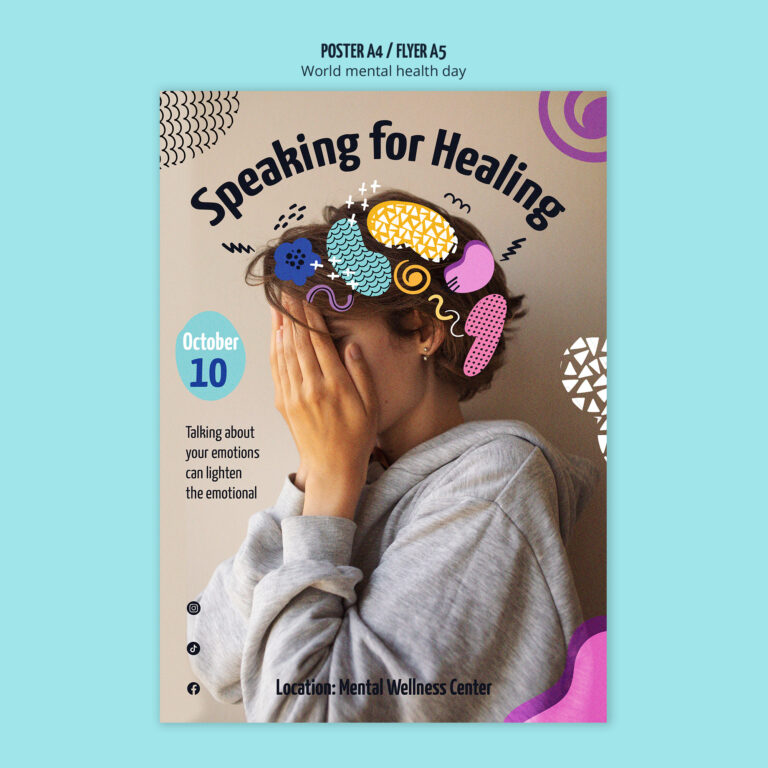

Mental Health and Suicide
Let’s begin here, with kindness:
If you have ever felt the weight of sadness, fear, or despair or if you know someone who has, this message is for you.
Talking about mental health and suicide is not easy. But when we speak with care and listen without judgment, we can ease the burden that so many carry in silence.
Breaking the stigma is not about fixing everything at once. It is about creating small spaces of safety, one conversation at a time. A space where it’s okay not to be okay, and where asking for help is seen not as weakness, but as strength.
This is an invitation to learn, to listen, and to help build a world where no one has to struggle alone.
What It Means in Practice
1. Education and Awareness
Learning that mental health struggles are real and human not shameful or strange. Understanding that suicidal thoughts come from deep pain, not from a lack of character.
2. Changing Language
Choosing words that heal, not hurt. Saying “died by suicide” instead of “committed suicide.” Speaking about mental health as openly as we speak about physical health.
3. Empathy and Human Connection
This entails listening with the heart, offering support without judgment and making it safe for others to be vulnerable with us.
4. Policy and Systemic Change
This involves making sure help is affordable and available, training people in schools, workplaces, and communities to respond with care.
5. Cultural and Community Involvement
Bringing conversations about mental health into our own communities, families, and faith spaces, in ways that feel respectful and real.
6. Media and Representation
Sharing stories responsibly, focusing on hope, help, and humanity.
7. Personal Responsibility
Starting with ourselves checking our own judgments, using kinder words, and being brave enough to be open about our own struggles.
Conclusion
This work doesn’t end here. It lives in the choices we make every day to listen a little more gently, to speak a little more kindly, to reach out when someone seems alone. Breaking the stigma is not a big distant goal. It is a quiet, daily practice of compassion. It is reminding each other: You matter. Your pain matters. Your story matters.
When we create a culture where it is safe to speak, we also create a culture where it is possible to heal. One conversation, one moment of understanding, one heart at a time. You don’t have to do everything. But you can do something. Start where you are. Start with compassion for others, and for yourself.
Healing grows in the light of kindness.
Let’s be that light, together.

Abimbola Omotoso
Abimbola Omotoso is a clinical psychologist in service to Arogi Trauma Care Foundation. She is solution driven and result oriented. She has a strong passion to always make clients have the best customer service experience.